24 timmar Tel
0086-139 8951 3573
Gratis Inqiry
E-post:[email protected]
24 timmar Tel
0086-139 8951 3573
Gratis Inqiry
E-post:[email protected]
De viktigaste typerna av armaturer inom VVS är kompressionsarmaturer, push-to-connect armaturer, gängade armaturer, svett (lod) armaturer, flare armaturer och hullingförsedda armaturer. Bland dessa, mässingsbeslag är den mest använda materialkategorin eftersom mässing kombinerar korrosionsbeständighet, bearbetbarhet och lång livslängd i vatten-, gas- och vattensystem. För flexibla slangsystem, pex kompressionsbeslag och krimpbeslag är det dominerande valet, medan inverterade flare beslag är standarden i gas- och bromsledningstillämpningar. Att välja fel passform leder till läckor, tryckfel och kodöverträdelser, så det är viktigt att förstå varje kategori exakt innan du köper eller påbörjar en installation.
VVS-armaturer är mekaniska komponenter som används för att ansluta rör, ändra flödesriktning, reglera flödet eller avsluta en ledning. Varje kopplingskategori definieras av dess anslutningsmetod, tryckklass, kompatibelt rörmaterial och avsedd service. Att förstå dessa kategorier förhindrar felaktiga installationer och kostsamma omarbetningar.
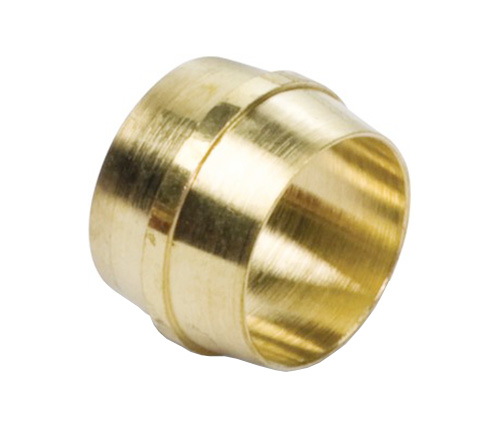
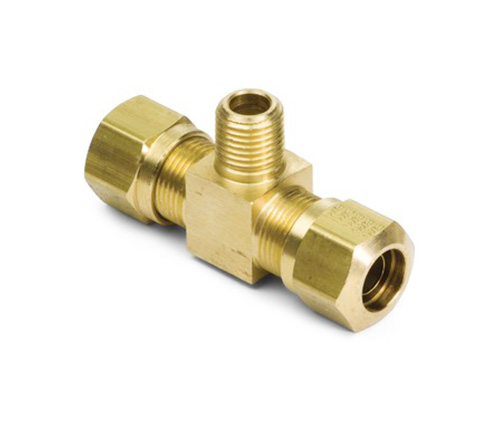
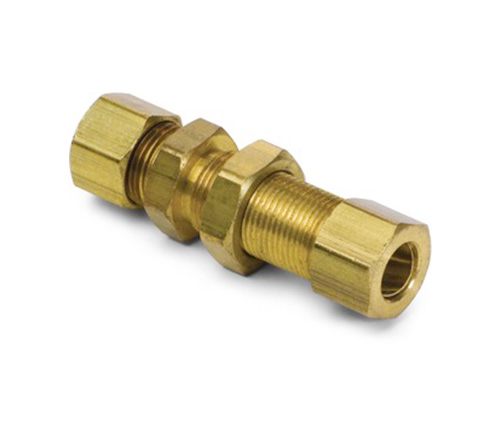
Kompressionskopplingar skapar en vattentät tätning genom att komprimera en mjuk metall- eller plastring (kallad hylsa eller oliv) mot utsidan av ett rör när en mutter dras åt. De kräver ingen lödning, inga lim och inga specialverktyg utöver två skiftnycklar, vilket gör dem till en av de mest tillgängliga monteringstyperna för både gör-det-själv och professionella rörmokare. Klämringsbeslag i mässing är standarden för koppar-, mässings- och plastförsörjningsledningar i bostads- och lätta kommersiella VVS. De är klassade för tryck upp till 200 psi (1 379 kPa) i typiska konfigurationer och temperaturer upp till 250°F (121°C) .
Gängade beslag använder han- och hongänga avsmalnande eller parallella gängor för att skapa en mekanisk skarv, vanligtvis tätad med PTFE-tejp eller rörgängstätning. National Pipe Thread (NPT) är den nordamerikanska standarden, medan British Standard Pipe (BSP) är vanligt i Storbritannien, Australien och många asiatiska marknader. NPT-kopplingar använder en 1,7898° avsmalning per sida som får gängorna att kila ihop sig när de dras åt, vilket skapar en naturligt trycktålig fog. Gängade beslag i mässing är det vanligaste materialet i gas- och vattensystem i bostäder.
Push-to-connect-kopplingar använder en invändig gripring och O-ringstätning för att hålla och täta ett rör med en enkel push-in-rörelse. Inga verktyg krävs för installation, och de flesta konstruktioner tillåter att röret lossas med ett spännhylsa. Varumärken som SharkBite dominerar detta segment. Push-fit kopplingar är kompatibla med koppar-, CPVC- och PEX-rör och är godkända av större VVS-regler inklusive UPC och IPC. De är betygsatta för 200 psi vid 200°F (93°C) och används ofta för snabba reparationer och eftermonteringar.
Svettkopplingar är kopparkopplingar utformade för att lödas fast på kopparrör med en brännare och blyfritt lod. När den görs på rätt sätt är en lödfog permanent, extremt stark och i jämnhöjd med rörets utsida, vilket gör den till den snyggaste anslutningen vid avslutande av VVS-arbeten. Svettbeslag är tillverkade enligt ASME B16.18 (gjutna) och ASME B16.22 (smidda) standarder och är tryckklassade upp till 1 000 psi i bearbetade kopparkonfigurationer, som vida överstiger behoven för vattenförsörjning i bostäder (vanligtvis 40 till 80 psi ). Begränsningen är att skarven kräver torrt rör, öppen låga och skicklighet, vilket gör den olämplig för reparationer i väggar eller plaströrsystem.
Utvidgningsbeslag fungerar genom att expandera (utvidga) änden av ett mjukt metallrör utåt till en specifik vinkel och sedan klämma fast den utvidgade änden mellan en passande kropp och en mutter. Standard SAE flare beslag använder en 45 graders enkel utvidgningsvinkel och är vanliga i kyl- och luftkonditioneringsledningar. Inverterade flare beslag använd a 45-graders dubbelljus där röränden viks tillbaka på sig själv, vilket skapar en tjockare, starkare tätningsyta. Inverterade flare beslag är branschstandarden för bilbromsledningar, transmissionskylledningar och anslutningar för gasapparater, vilket ger exceptionellt vibrationsmotstånd.
Hullingförsedda kopplingar består av en avsmalnande, räfflad insats som skjuts in i flexibla slangar som bevattningsrör av polyeten, vinylslang eller silikonslang. Hullingarna greppar insidan av slangen när den pressas över kopplingen. En slangklämma läggs vanligtvis över anslutningen för tryckapplikationer. Hullingförsedda beslag används i stor utsträckning i bevattning, akvarier, laboratorieutrustning och vätskeöverföringssystem med lågt tryck, vanligtvis klassade för tryck upp till 60 till 100 psi beroende på slangens material.
| Monteringstyp | Anslutningsmetod | Typiskt tryckvärde | Vanlig applikation |
|---|---|---|---|
| Kompression | Hylsa sammanpressad med mutter | Upp till 200 psi | Matningsledningar, avstängningsventiler |
| Gängad (NPT) | Avsmalnande trådingrepp | Upp till 300 psi (vatten) | Gasledningar, järnrörssystem |
| Push-to-Connect | Gripring och O-ring | 200 psi vid 200°F | Snabba reparationer, ombyggnader |
| Svett (löda) | Fackellödning | Upp till 1 000 psi | Kopparvatten- och VVS-ledningar |
| Inverterad flare | Dubbel utsvängd rörände | Upp till 3 000 psi | Bromsledningar, gasapparater |
| Hullingförsedd | Friktionsgrepp inuti slangen | 60 till 100 psi | Bevattning, lågtrycksvätska |
Mässingsbeslag står för majoriteten av armaturer som används inom vattenförsörjning, naturgasdistribution, vattenvärme och tryckluftssystem över hela världen. Mässing är en legering av koppar och zink, vanligtvis i förhållanden av 60 till 70 % koppar och 30 till 40 % zink för VVS-applikationer. Legeringen ger en kombination av egenskaper som inget enskilt alternativt material helt replikerar.
I miljöer med hög kloridhalt kan mässingsbeslag av låg kvalitet drabbas av avzinkning: en process där zink läcker ut ur legeringen och lämnar efter sig en porös kopparrik struktur som smulas sönder under tryck. Detta är vanligast i områden med aggressivt grundvatten eller höga kloraminhalter i kommunal rening. Avzinkningsbeständig (DR) mässing legeringar, identifierade med CW602N- eller CW614N-beteckningen i Europa och ASTM B16 i Nordamerika, åtgärdar detta genom att modifiera zinkhalten och tillsätta små mängder arsenik eller antimon. Vid köp av mässingsbeslag för installationer i områden med aggressiv vattenkemi, ange alltid DR- eller CR-klassade beslag (korrosionsbeständiga).
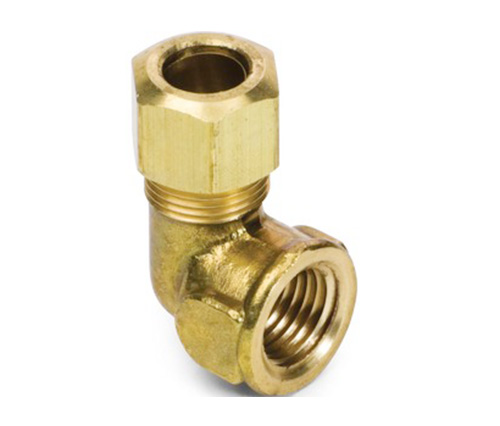
A armbåge i mässing är en av de mest installerade armaturerna i alla VVS-system. Varje gång ett rör måste ändra riktning - att vända från en vägg till ett golv, övergå från en horisontell bana till en vertikal stigare eller navigera runt ett hinder - ger en armbågskoppling den riktningsändringen utan att det krävs ett böjt rör. Att välja rätt typ av armbåge förhindrar överdriven flödesbegränsning, minskar materialbelastningen och förenklar framtida systemservice.
90-gradersarmbågen är den vanligaste armbågen som används inom VVS. Det skapar en skarp rätvinklig sväng i rördragningen. I hydrauliska termer skapar en standard 90-graders gängad armbåge ungefär 1,5 till 2,0 ekvivalenta fot extra motstånd per koppling på grund av turbulens i svängen, vilket är betydande i system med höga flöden eller långa rördragningar. För höghastighetsflödesledningar, a sveparmbåge med lång radie (även kallad gatarmbåge med en gradvis kurva) minskar det motståndet till ungefär 0,5 till 0,7 ekvivalenta fot . 90-graders armbågar i mässing finns i hane-till-hona (street ell), hona-till-hona och kompression-till-gänga-konfigurationer.
En 45-graders armbåge skapar en mjukare riktningsändring och introducerar betydligt mindre flödesmotstånd än en 90-graders koppling, motsvarande ca. 0,4 till 0,7 ekvivalenta fot motstånd . Två 45-graders armbågar i serie kan ersätta en enda 90-graders armbåge där utrymmet tillåter, vilket minskar systemets totala tryckfall. Denna teknik används ofta i vattenvärmares matningsrör och pumputloppsledningar där flödeseffektivitet är viktigt.
A gatan armbåge (eller street ell) har en hangängad ände och en invändig ände, vilket gör att den kan gängas direkt i en annan koppling utan att behöva en nippel emellan. En vanlig armbåge har två honändar och kräver alltid en nippel eller rörsektion insatt i varje port. Gatubågar sparar utrymme i täta installationer och minskar det totala antalet anslutningar, men de kan försvåra framtida demontering något.
Mässingsbågar dimensioneras efter nominell rörstorlek (NPS), vilket inte direkt motsvarar någon faktisk uppmätta dimension. Viktiga fakta om storlek:
| Typ av armbåge | Vinkel | Ekvivalent motstånd (ft) | Bästa användningsfallet |
|---|---|---|---|
| Standard 90° armbåge | 90 grader | 1,5 till 2,0 | Vägg-till-golv övergångar, armaturförsörjning |
| Svep med lång radie 90° | 90 grader | 0,5 till 0,7 | Högflödespump och pannledningar |
| Standard 45° armbåge | 45 grader | 0,4 till 0,7 | Varmvattenberedare, offset körningar |
| Gatuarmbåge (90°) | 90 grader | 1,5 till 2,0 | Täta utrymmen, ventilanslutningar |
Klämringsbeslag i mässing är den bästa lösningen för att ansluta koppar- eller plastmatningsledningar till avstängningsventiler, kranar, toaletter och apparater. De är gynnade eftersom de skapar en läckagefri tätning utan värme, flussmedel eller lim, vilket gör dem idealiska för reparationer i färdiga utrymmen där en ficklampa inte kan användas säkert.
Varje kompressionskoppling i mässing består av tre komponenter:
Mässingskompressionskopplingar fungerar bäst med stela eller halvstyva rörtyper där hylsan kan tryckas ihop mot en fast yta:
PEX kompressionskopplingar är specialiserade kopplingar konstruerade för tvärbundna polyeten (PEX) rör, som har blivit det dominerande rörmaterialet i nya bostadsbyggen i Nordamerika. Från och med 2023 står PEX för över 60 % av vattenförsörjningsinstallationerna i bostäder i USA, drivet av dess flexibilitet, frostbeständighet och snabbare installationstid jämfört med koppar. Beslagssystemet måste ta hänsyn till PEX:s flexibilitet, termiska expansion och det faktum att dess vägg inte tillförlitligt kan komprimeras av en standard mässingsbeslag utan deformation.
Det finns fyra huvudsakliga PEX-kopplingssystem, vart och ett med olika verktyg, kostnadsprofiler och prestandaegenskaper:
PEX-kompressionskopplingar är det föredragna valet i dessa specifika scenarier:
PEX-insatsbeslag finns i tre huvudmaterial:
| PEX monteringssystem | Standard | Verktygskostnad | Bäst för |
|---|---|---|---|
| Crimp (kopparring) | ASTM F1807 | $25 till $75 | Nybyggnation, volyminstallationer |
| Klämma (cinch) | ASTM F2098 | $20 till $50 | Täta utrymmen, installation med ett verktyg |
| Expansion (ProPEX) | ASTM F1960 | $200 till $600 | Högsta tryck, PEX-A-system |
| Kompression | Tillverkarspecifik | Inget specialverktyg | Reparationer, övergångar, PEX med liten diameter |
Inverterade flare beslag är en specialiserad kategori av ljusrör som kännetecknas av deras användning av en dubbel bloss vid tubänden, där tubmaterialet viks tillbaka på sig själv innan det böjs utåt. Detta skapar en tjockare, förstärkt tätningsyta jämfört med en enda flare, vilket gör inverterade flare-anslutningar dramatiskt mer motståndskraftiga mot vibrationsutmattning, tryckpulser och termisk cykling.
När den är monterad sitter den dubbelutvidgade röränden inuti ett koniskt urtag i kopplingskroppen, och muttern driver rörsätet inåt för att klämma fast öppningen mellan kopplingskroppen och mutterns inre kon. Tätningen är helt metall-mot-metall: inga packningar, inga O-ringar och inga gängtätningsmedel används. Denna metall-till-metall-tätning är det som gör inverterade flare beslag lämpliga för:
En felaktigt gjord bloss är den vanligaste orsaken till läckor i inverterade kopplingar. Förfarandet kräver en verktygssats med dubbla utskjutningar:
| Parameter | Inverterad flare (Double) | Standard SAE Flare (Singel) |
|---|---|---|
| Utvidgningsvinkel | 45 grader, double-folded | 45 grader, single flare |
| Väggtjocklek vid tätning | Dubbel (vikt tillbaka) | Enkel väggtjocklek |
| Maxtryck (typiskt) | Upp till 3 000 psi | Upp till 1 500 psi |
| Vibrationsmotstånd | Utmärkt | Bra |
| Primär tillämpning | Bromsledningar, gasapparater | AC-köldmedium, bränsleledningar |
| Återanvändbar | Ja (begränsade tider) | Ja (begränsade tider) |
Med de olika typer av rördelar som finns tillgängliga idag, beror valbeslutet på fyra faktorer: rörmaterial, servicevätska, driftstryck och om skarven behöver vara permanent eller servicebar. Tabellen nedan ger en direkt urvalsguide för de vanligaste scenarierna.
| Rörmaterial | Service | Rekommenderad montering | Anteckningar |
|---|---|---|---|
| Koppar typ L | Dricksvattenförsörjning | Svett- eller mässingskompression | Svett för permanent; kompression för servicebara ventiler |
| PEX-B | Varm- och kallvattenförsörjning | PEX crimp eller klämbeslag | Använd endast kompressionskopplingar för reparationer |
| Bromsrör i stål | Hydraulisk bromsvätska | Inverterade flare beslag | Dubbla flare krävs; SAE J1290 |
| Svart järnrör | Distribution av naturgas | Mässingsgängade (NPT) beslag | Använd gul PTFE-tejp eller gasklassad rörtätning |
| CPVC | Varmvattenförsörjning | CPVC lösningsmedelssvetsning eller push-fit | Om du använder mässingskompression, lägg till insatsförstyvning |
| Polyeten (PE) | Bevattning | Hullingförsedd fittings with clamps | Rostfria klämmor för nedgrävda applikationer |
Överensstämmelse med VVS-koder är inte valfritt: att använda en icke godkänd kopplingstyp i en tillåten installation resulterar i misslyckade inspektioner och potentiellt ogiltigförklarad husägarförsäkring. Nyckelkodpunkter:
Även erfarna rörmokare stöter på monteringsfel orsakade av installationsfel som kan undvikas. Att förstå de vanligaste misstagen sparar tid, materialkostnader och risken för vatten- eller gasskador.
Att ansluta olika metaller direkt i ett VVS-system skapar en galvanisk cell som påskyndar korrosion av den mindre ädla metallen. Den vanligaste problematiska sammankopplingen inom VVS är koppar ansluten direkt till galvaniserat stål . I denna kombination korroderar zinkbeläggningen på det galvaniserade röret snabbt, vilket leder till avlagringar och eventuellt fel i skarven. Lösningen är att använda en dielektrisk förening mellan koppar och stål, vilket ger ett elektriskt avbrott mellan de två metallerna samtidigt som en vattentät tätning bibehålls.
Mässing, som till stor del är kopparbaserad, är i samma galvaniska klass som koppar och ansluts till koppar utan en dielektrisk union. Mässing till rostfritt stål är allmänt acceptabelt. Mässing till aluminium kräver en dielektrisk koppling för att förhindra snabb aluminiumkorrosion.
Gängade mässingsbeslag ska dras åt 2 till 3 varv förbi handfast med hjälp av en skiftnyckel. Överdragning spricker kopplingskroppen (särskilt på mindre storlekar som 1/4-tum och 3/8-tum), strippar gängor eller förvränger honporten på en ventil eller apparat. Om en koppling läcker efter 3 varv är orsaken nästan alltid en skadad gänga eller otillräckligt tätningsmedel, inte otillräckligt vridmoment. Sätt på PTFE-tejp igen (minst 3 omslag för NPT) eller använd en gängtätningspasta och kontrollera igen.
Standardkompressionskopplingar i mässing som används på PEX utan en inre stödinsats kommer att deformera den flexibla rörväggen när hylsan komprimeras, vilket ger en fog som kan hålla trycket initialt men misslyckas under termisk cykling eftersom PEX-rörets elasticitet gör att den deformerade väggen lossnar över tiden. Använd alltid mässing eller plast sätt in förstyvning dimensionerad till den exakta PEX ytterdiametern och väggtjockleken när någon kompressionsliknande koppling används på PEX-rör.
Att använda en enkel flare där en dubbel (inverterad) flare krävs är ett farligt fel i bromsledningar och högtrycksgasanslutningar. En enda flare på stålbromsrör kommer typiskt att hålla initialt tryck men kommer att spricka vid flare vid den första signifikanta tryckpulsen eller vibrationshändelsen. Federal Motor Vehicle Safety Standard (FMVSS) 571.106 kräver dubbla reflexer på alla hydrauliska bromsslangar, och varje bromsledningsreparation som använder en enda flax misslyckas med inspektionen och utgör en allvarlig säkerhetsrisk.
De huvudsakliga typerna av kopplingar inom VVS är kompressionskopplingar, gängade kopplingar (NPT och BSP), push-to-connect kopplingar, svett (lod) kopplingar, flare kopplingar (inklusive inverterade flare kopplingar) och hullingförsedda kopplingar. Inom varje kategori inkluderar specifika former kopplingar, armbågar, tees, kopplingar, reducerare och kåpor. Varje kopplingstyp definieras av dess anslutningsmetod, kompatibla rörmaterial och tryckklassificering.
Mässingsbeslag används i bostäder och kommersiella vattenförsörjningsledningar, naturgasdistribution, vattenbaserade värmesystem, tryckluftssystem och industriell vätskehantering. Mässing är att föredra eftersom det är korrosionsbeständigt, klarar temperaturer upp till 400°F (204°C) , och maskiner med snäva toleranser för pålitlig gängtätning. De flesta avstängningsventiler, slanghaklappar, matningsledningsanslutningar och gasapparatanslutningar använder mässingskopplingar.
Standard kompressionskopplingar i mässing rekommenderas i allmänhet inte för PEX-rör eftersom den flexibla PEX-väggen deformeras oförutsägbart under hylsan kompression. För PEX, använd dedikerad PEX crimp, klämma eller expansionsbeslag för permanenta anslutningar, eller använd PEX-specifika kompressionskopplingar som inkluderar en intern förstyvningsinsats för reparations- och övergångsapplikationer. Att använda en standard kompressionskoppling utan förstyvning på PEX riskerar en fog som klarar initial trycktestning men misslyckas med tiden på grund av termisk rörelse.
En standard armbåge i mässing har två invändiga ändar eller hylsor och kräver en rörnippel insatt i varje port. A gatan armbåge har en hanände och en honände, vilket gör att den kan träs direkt in i en annan koppling utan mellanliggande nippel. Gatuarmbågar används i täta installationer där den extra längden på en nippel inte är tillgänglig. Båda typerna ändrar rörriktningen vid 45 eller 90 grader med samma flödesbegränsningsegenskaper.
Inverterade flare beslag använd a double-flared tube end that creates a reinforced metal-to-metal seal capable of withstanding pressures up to 3 000 psi . De krävs för hydrauliska bromsledningar för bilar (enligt FMVSS 571.106 och SAE J1290), flexibla kopplingar för gasapparater och transmissions- och servostyrningsledningar för fordon. Den dubbla reflexen är obligatorisk – en enkel flamma i dessa applikationer är en säkerhetsöverträdelse och kommer att misslyckas under vibrationer och tryckcykler.
Dra åt kompressionsmuttern helt för hand och lägg sedan till 1,25 till 1,5 varv med en skiftnyckel . Detta är standardproceduren för kompressionskopplingar i mässing på kopparrör. Överdragning deformerar hylsan och försvagar fogen; underåtdragning ger otillräcklig kompression för en pålitlig tätning. Applicera inte PTFE-tejp på kompressionsmutterns gängor, eftersom tätningen är gjord av hylsan, inte gängingrepp.
Ja, förutsatt att de är det NSF/ANSI 61 och NSF/ANSI 372 certifierade (blyfri, med ett vägt genomsnittligt blyinnehåll på 0,25 % eller mindre ). Sedan 2014 kräver Reduction of Lead in Drinking Water Act att alla mässingsdelar för dricksvatten som säljs i USA uppfyller denna standard. Leta efter märkena NSF 61 och NSF 372 på den passande förpackningen eller tillverkarens datablad. Äldre mässingsbeslag tillverkade före 2014 kan innehålla upp till 8% bly och bör inte användas i dricksvattensystem.
För en PEX-reparation i en färdig vägg där ett crimpverktyg inte får plats, a push-to-connect-koppling (som en SharkBite-koppling) är den snabbaste och mest praktiska lösningen. Den kräver inga verktyg och är klassad för 200 psi vid 200°F (93°C) och accepteras av UPC och IPC VVS-koder. Alternativt kan en PEX klämbeslag med ett enkelverkande cinch klämverktyg användas i utrymmen med begränsad åtkomst eftersom klämverktyget kräver mindre spelrum än ett krimpverktyg.
Avzinkning är en korrosionsprocess där zink läcker ut ur mässing i högkloridhaltigt eller surt vatten och lämnar en svag, porös kopparstruktur. Det är vanligast i områden med aggressivt grundvatten eller höga kloraminhalter. För att undvika det, specificera avzinkningsbeständig (DR) mässing beslag, identifierade av legeringsbeteckningen CW602N eller CW614N (europeisk standard) eller märkt DR på beslaget. Dessa legeringar inkluderar små mängder arsenik eller antimon som hämmar avzinkningsreaktionen.
I de flesta jurisdiktioner, kompressionskopplingar är inte tillåtna på dolda eller otillgängliga platser enligt International Plumbing Code (IPC) och Uniform Plumbing Code (UPC), eftersom de klassificeras som mekaniska skarvar som kräver tillträde för inspektion och underhåll. Tillåtna dolda fogtyper för koppar inkluderar lödda (svettade) fogar och presspassade (ProPress-typ) beslag. För PEX är crimp- och expansionsbeslag tillåtna på dolda platser i de flesta koder. Kontrollera alltid med din lokala myndighet som har jurisdiktion (AHJ) innan du döljer någon mekanisk koppling.
Lägg till: Xingzhong Road Diankou Town Zhuji City Zhejiang Province China
Mob: 0086-139 8951 3573
Tel: 0086-575-87560582
Fax: 0086-575-87560582
E-post:[email protected]

 英语
英语 西班牙语
西班牙语